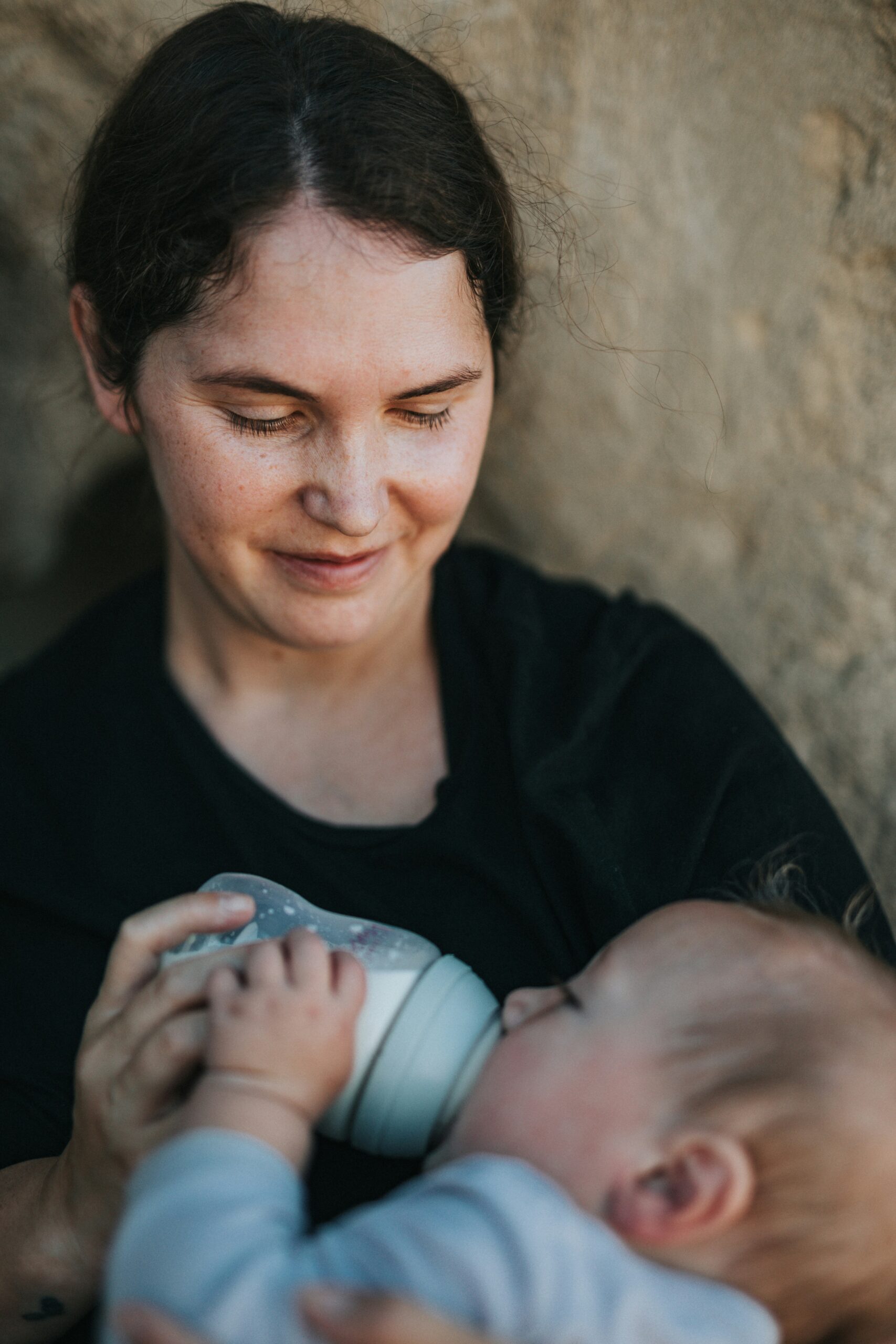


Beyond the Hacks: Building Sustainable Sleep Foundations for Your Newborn
The early weeks with a newborn are a beautiful, blurry marathon of feeding, diapering, and desperate hopes for sleep. In the quest for rest, well-meaning advice floods in, often condensed into simple “tips and tricks.” While some shortcuts are genius, others can unintentionally undermine the very rhythms you’re trying to establish.
The key is to distinguish between a genuine tool and a potential trap. Here, we break down common newborn advice with a critical eye, separating timeless wisdom from practices that might require a second look, backed by pediatric sleep science.
1. The Long Nap Paradox: Proceed with Caution
The advice to “encourage long naps” is a double-edged sword. While preserving a parent’s sanity is crucial, consistently engineering long daytime naps can directly sabotage nighttime sleep. Research in pediatric sleep medicine indicates that excessive daytime sleep reduces sleep pressure, the biological drive needed for consolidated nighttime rest. The goal isn’t just sleep—it’s sleep at the right times. Following age-appropriate wake windows (like the 90-minute rule) helps calibrate your baby’s circadian rhythm, teaching them the vital difference between day and night.
2. The Elbow-to-Knee Trick: A Genuine Lifesaver
This tip is pure gold. Gently moving your baby’s opposite elbow and knee toward each other (like a gentle “bicycling” motion) helps move trapped gas through the intestines by applying mild, targeted pressure. It’s a safe, drug-free method supported by pediatric physical therapy principles to relieve discomfort that can mimic hunger or disrupt sleep.
3. Tracking: Your Data-Driven Defense
Documenting feeds (duration/ounces) and diapers (count and consistency) isn’t obsessive—it’s your empirical evidence. Pediatricians rely on this data to assess adequate hydration and nutrition, especially in the critical first weeks. This objective log is far more reliable than memory through sleep deprivation and provides peace of mind.
4. White Noise: A Womb Replica
This isn’t just a hack; it’s acoustic science. The womb is a loud environment, akin to a vacuum cleaner. As noted in a 1990 study published in Archives of Disease in Childhood, white noise can significantly improve infant sleep onset and duration by masking startling environmental noises and providing a familiar, rhythmic soundscape. It’s a powerful tool for sleep conditioning.
5. The Onesie Design Secret: A Stroke of Practical Genius
Those seemingly decorative shoulder flaps are a masterpiece of pragmatic design. In the event of a diaper blowout, pulling the soiled garment down the body, rather than dragging it over the head, is a hygienic and efficient crisis-management strategy every parent should know.
6. Feed Upon Waking: The “Eat-Play-Sleep” Rhythm
This is perhaps the most foundational piece of sustainable sleep advice. Feeding your baby after they wake from a nap, rather than as a method to induce sleep, breaks the feed-to-sleep association. This association, while comforting initially, can become a significant sleep crutch, requiring parental intervention for every nighttime arousal. The “eat-play-sleep” cycle encourages your baby to learn to fall asleep independently, without needing the nipple or bottle as a prop.
7. Swaddling: Mimicking the Womb
Swaddling recreates the secure, contained feeling of the womb and, crucially, controls the Moro (startle) reflex that can cause a baby to jolt themselves awake. The American Academy of Pediatrics affirms swaddling can promote sleep when done correctly—on the back, with hips free to move—and discontinued once the baby shows signs of rolling.
8. The 90-Minute Rule: Respecting the Window
Newborns have a limited capacity for wakefulness before becoming overtired. An overtired baby produces cortisol, a stress hormone that makes it harder to fall and stay asleep. The ~90-minute wake window is a guideline to help you put your baby down before they become fussy and overstimulated, making the transition to sleep smoother.
The Bottom Line:
True “hacks” don’t just solve an immediate problem; they build towards healthy, independent habits. The most powerful tool is understanding the why behind the advice. It’s the difference between forcing a long nap today and nurturing a baby who can distinguish night from day tomorrow. This isn’t about perfection—it’s about building a sustainable foundation, one wake window at a time.