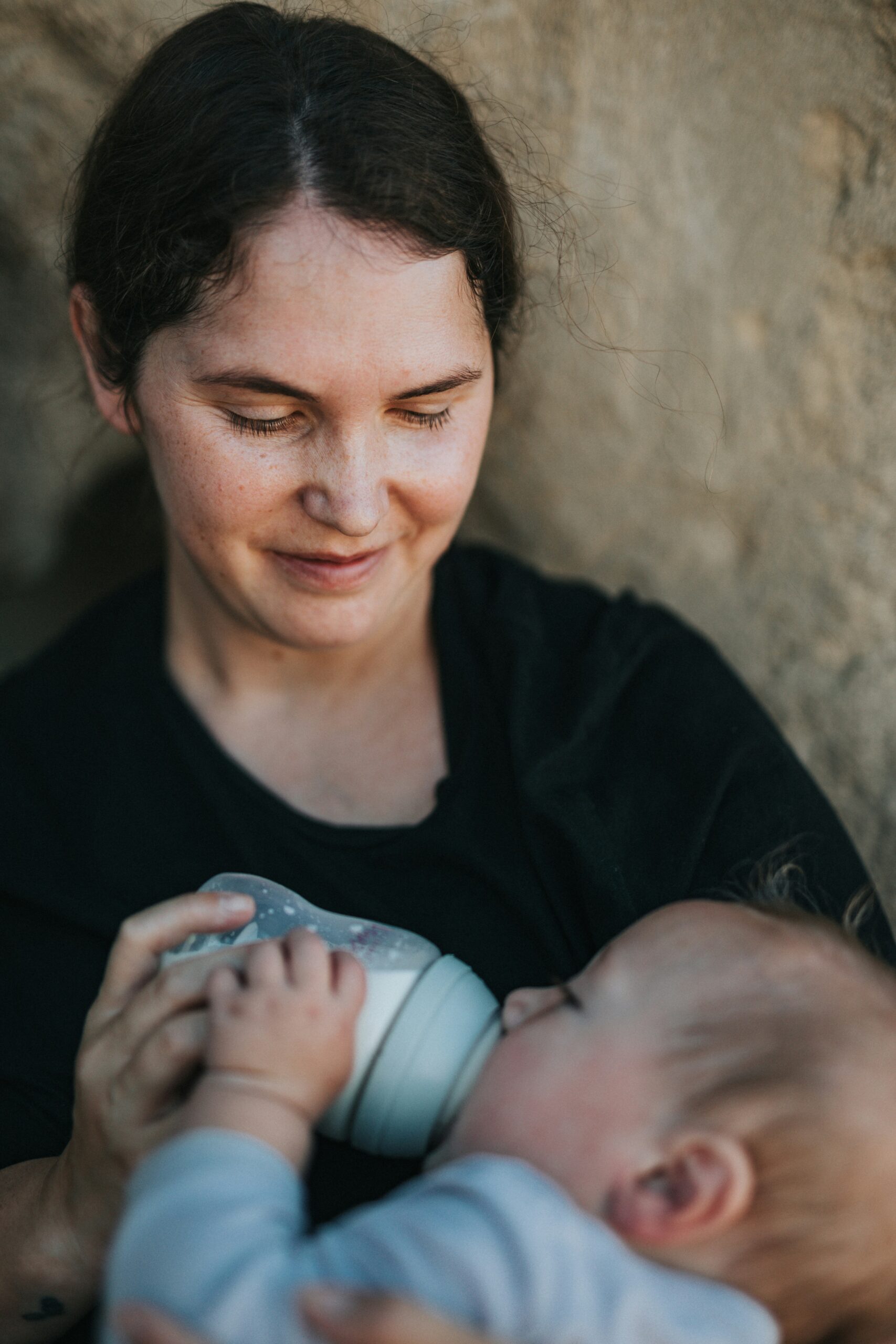


Years ago, one of the largest corporations in the world made a calculated decision: motherhood was a market, and babies were the product.
This is the story of a strategy, a global harm, and a warning that echoes into the present.
The “Modern” Solution: A Strategy Unfolds
In the mid-20th century, Nestlé—and other formula manufacturers—aggressively promoted infant formula in poor and developing countries. Their messaging was precise: formula was modern, scientifically superior, and cleaner than breast milk. It was positioned as the aspirational choice for mothers wanting the best for their infants.
Tactics were devastatingly effective. Free samples were distributed in hospitals, a practice that exploited institutional trust. New mothers, relying on medical “experts,” would begin supplementation. As lactation works on a supply-and-demand basis, this often led to a diminished milk supply, creating a dependency on the very product they had received for free.
Then, the samples stopped.
The Devastating Math of Dependency
Left with no sustainable breast milk supply and a now-essential product, families faced an impossible choice. Formula was expensive. To make it last, many diluted it with water. Others, without access to clean water, mixed it with contaminated sources, unknowingly creating a dangerous cocktail for their infants.
The consequences were documented by global health researchers: a stark increase in malnutrition, diarrhea, dehydration, and death from what became known as “bottle sickness.” A 1984 study in Social Science & Medicine detailed the synergistic effects of poor sanitation, diluted formula, and the loss of breast milk’s protective immunological factors. All the while, corporate profits from formula sales in these regions soared.
This wasn’t a misunderstanding. It was marketing. It was a deliberate strategy. It was entirely preventable.
The Backlash: A Global Awakening
The public and health community backlash was so severe it sparked the international Nestlé boycott in 1977, a movement that continues today under the banner of the International Baby Food Action Network (IBFAN). The outrage directly forced the creation of the International Code of Marketing of Breast-milk Substitutes at the World Health Assembly in 1981. This code, born from tragedy, explicitly prohibits the promotion of breast-milk substitutes, including free sample distribution to mothers. That’s how serious the documented harm was.
The Same Song, a Softer Melody?
And yet, the core narratives persist. While direct hospital promotion is now banned in many countries, the underlying messages to mothers have simply evolved into a softer, more insidious key:
-
“Your body might not be enough.” (Exploiting maternal anxiety)
-
“This is scientifically designed, basically the same.” (Undermining the unique, living complexity of breast milk)
-
“Choose convenience over connection.” (Framing feeding as a transactional burden, not a relational act)
Let me be unequivocally clear: Formula is a vital, life-saving invention. For medical reasons, personal circumstances, or choice, it is a necessary option for countless families. No caregiver should ever feel shame for using it.
But history matters. And so does honesty.
This reflection isn’t about guilt. It’s about awareness.
It’s about recognizing that the pressure to create a consumer—a dependent market—once came at the ultimate cost. It’s about learning from that past so we, as a global community, do not repeat it.
Because infants deserve protection, not targeted marketing campaigns.
And mothers deserve unbiased information and support, not manipulation disguised as empowerment.